
Wedding Photography Details Couples Often Forget to Plan For
When planning your wedding, it's easy to focus on the bigger decisions. Choosing your venue, finding your vendors, and finalizing your timeline tend to take priority. But there are a few smaller photography details that can make a significant difference in how your wedding day is documented.
As a New York wedding photographer, I've found that a little preparation goes a long way. Here are a few things worth considering before your wedding day arrives.
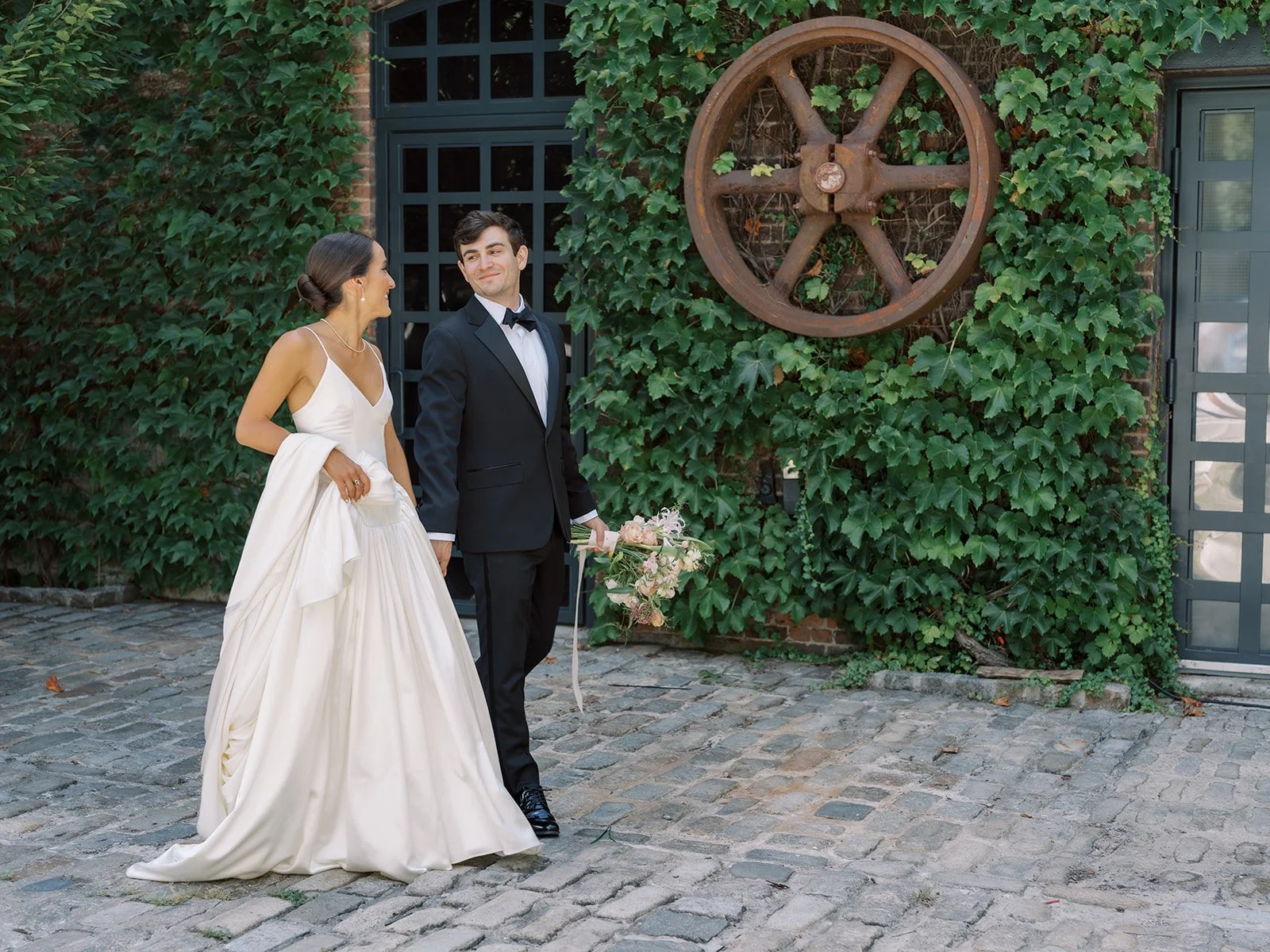
1. Having Your Wedding Details Ready
Your invitations, wedding bands, jewelry, perfume, shoes, and other personal items are all part of your wedding story. Having these pieces gathered in one place before your photographer arrives makes it easier to document them without interrupting your morning.
Consider including anything that holds sentimental value, too. A family heirloom, handwritten letter, or meaningful accessory can add another layer of significance to your wedding gallery.
If you've invested in beautiful stationery or carefully selected accessories, make sure they're available to photograph!
2. Planning for Family Portraits Ahead of Time
Family portraits are one of the most important parts of wedding photography, but they're also one of the easiest things to underestimate when planning your timeline.
Creating a family photo list before your wedding helps ensure the combinations that matter most are captured. It also keeps things organized so you can spend less time gathering family members and more time enjoying your celebration.
I always recommend keeping your list intentional and assigning someone who knows your family to help gather everyone when it's time for portraits.
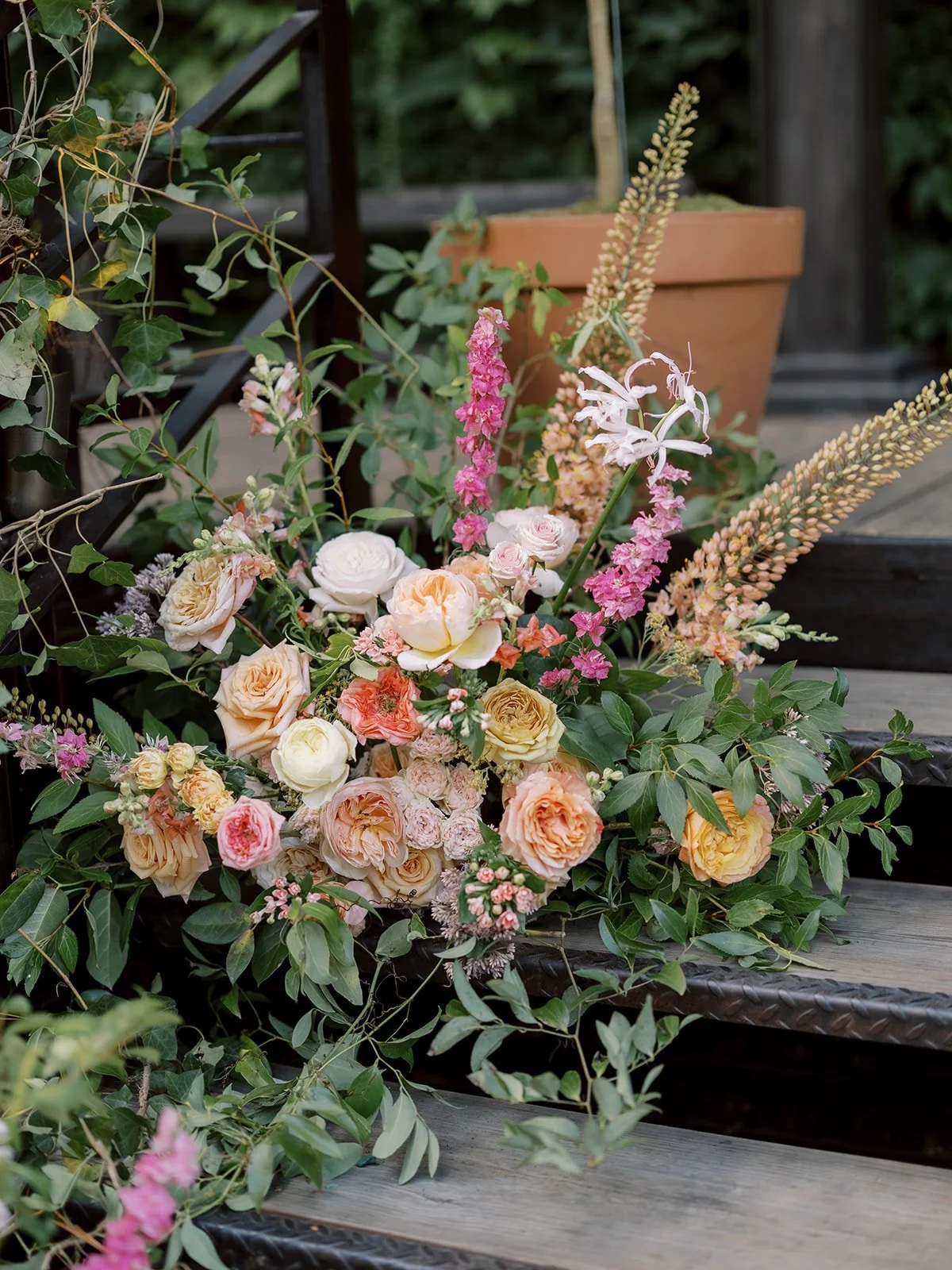
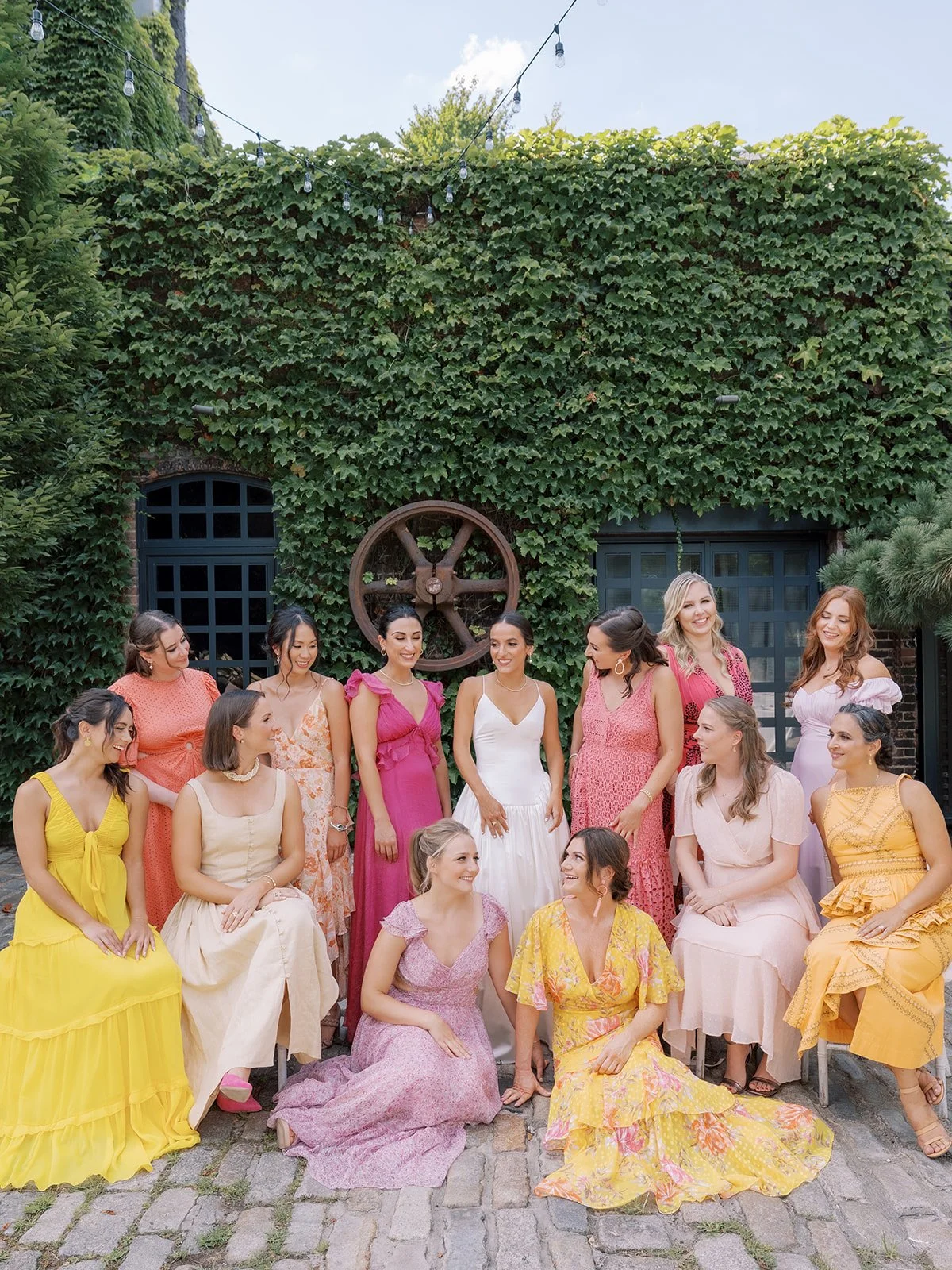
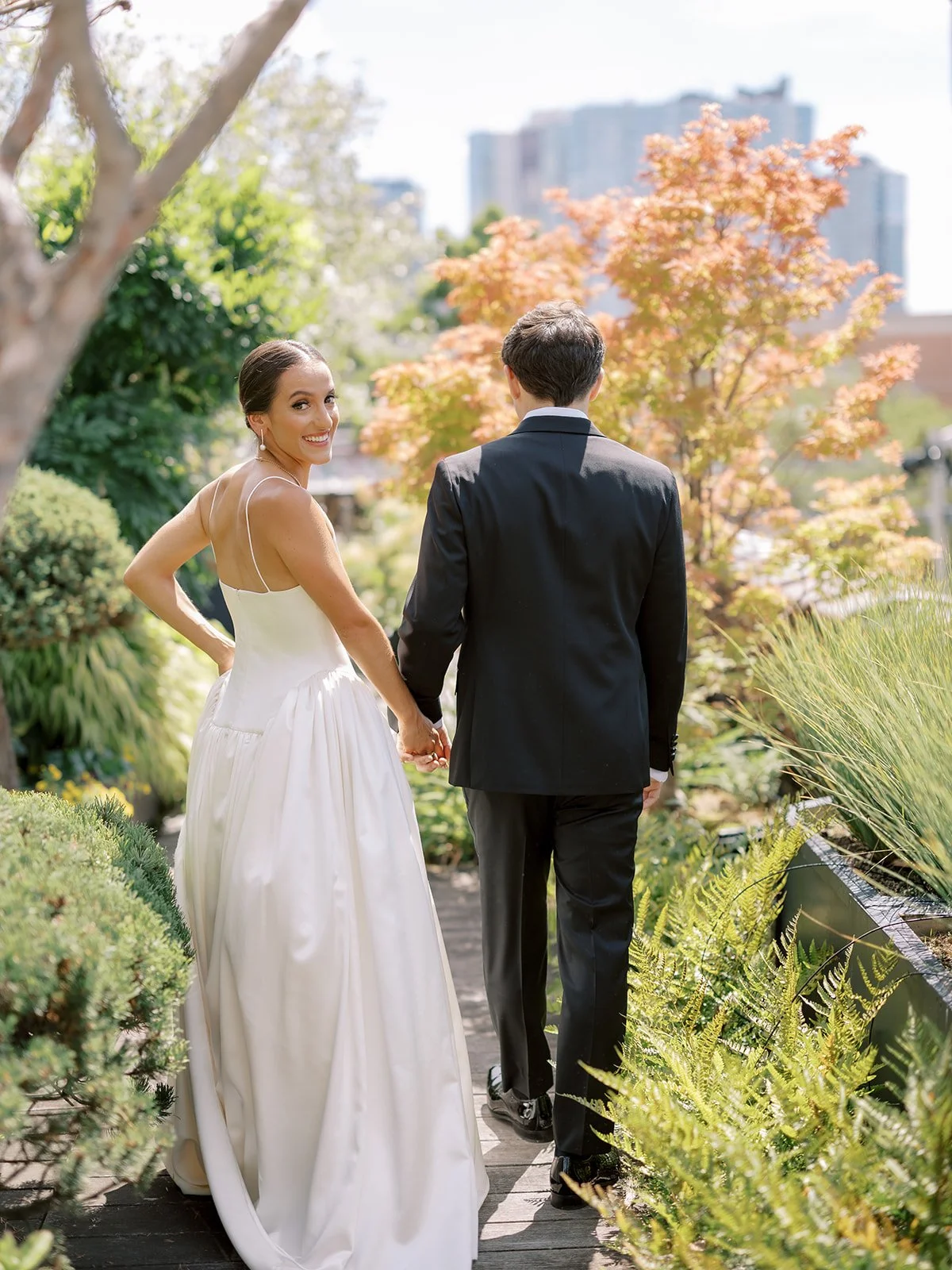
3. Considering the Lighting Throughout Your Wedding Day
Lighting plays an important role in photography, and it's worth considering when planning your ceremony, portraits, and reception.
For outdoor ceremonies, the time of day can affect how the light falls across your ceremony space. Indoor venues may have beautiful architectural features, but the amount of available natural light can vary considerably.
This doesn't mean you need to plan your entire wedding around photography. However, discussing your timeline and venue with your photographer beforehand can help you make informed decisions about when and where certain photos will take place.
4. Leaving Time to Photograph Your Reception Space
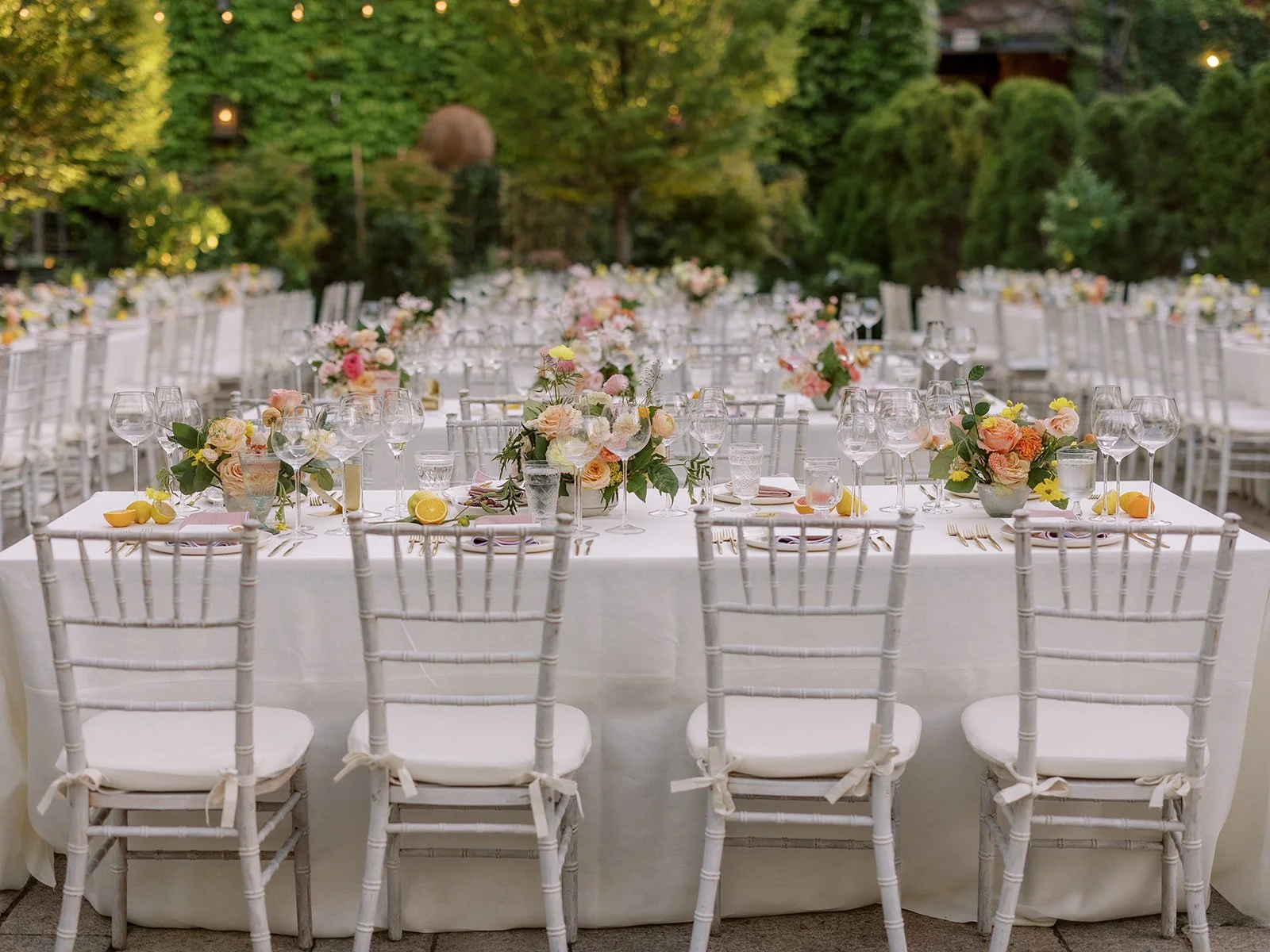
After months of selecting florals, linens, stationery, and table settings, you'll want photographs of everything coming together.
One detail couples sometimes overlook is making sure their photographer has access to the reception space before guests enter. Even just a short window to photograph the room untouched allows for images of your tablescapes, floral arrangements, place settings, and overall design.
If documenting your wedding design is a priority, be sure to communicate that with your planner and photographer while finalizing the timeline.
5. Thinking About the People and Moments That Matter Most
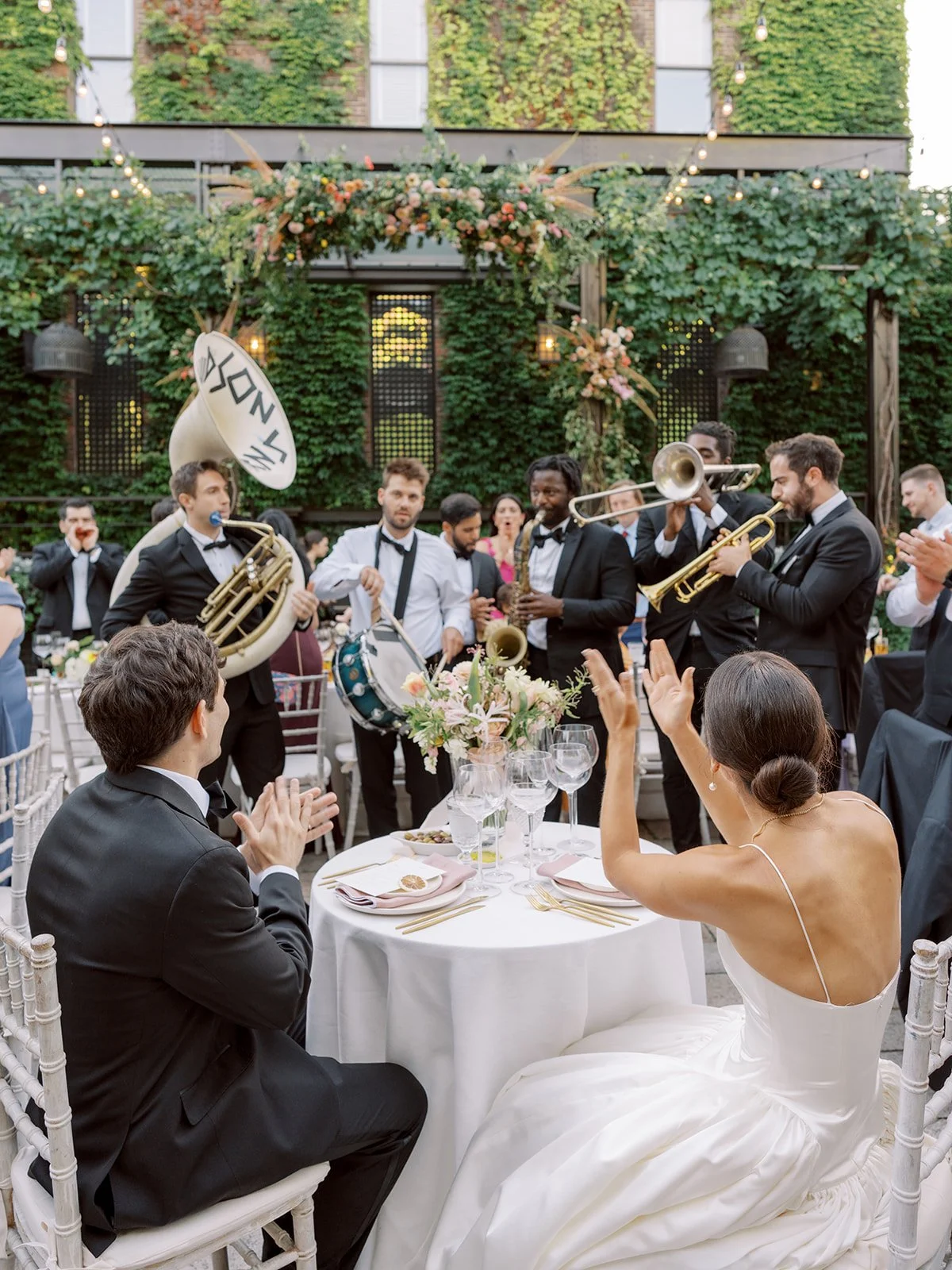
Beyond the traditional wedding portraits, think about the people and interactions you'll want to remember years from now. Maybe it's your grandparents seeing you dressed for the ceremony, a special moment with your siblings, or a few photographs with friends who have traveled across the country to celebrate with you.
While candid moments naturally unfold throughout the day, letting your photographer know about particularly meaningful relationships or planned surprises can help them anticipate what's important. You don't need to create a detailed shot list for every interaction. A little context is often all that's needed.
6. Making Room for Just-Married Portraits
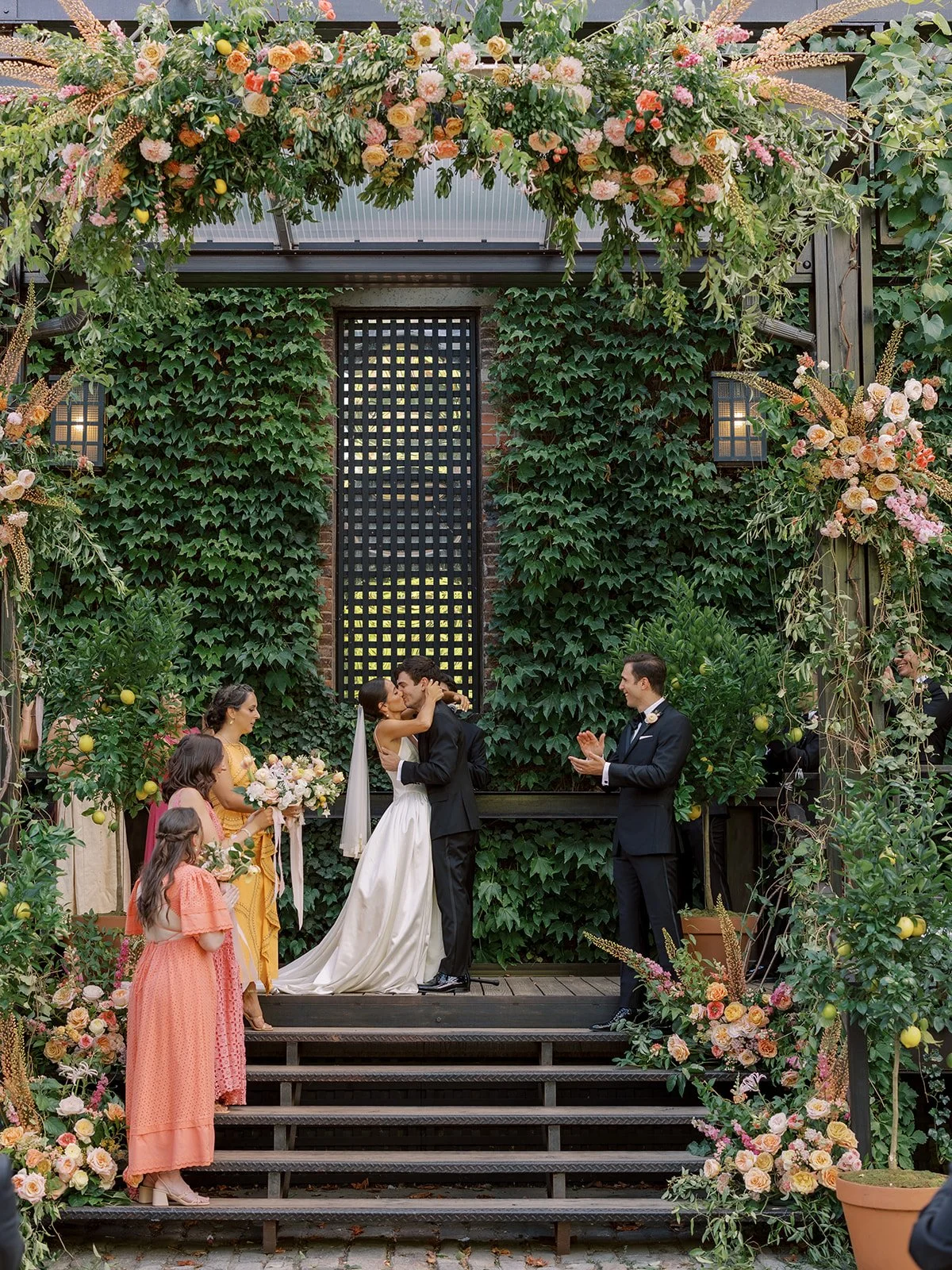
Your wedding timeline might already include a first look and formal couple portraits, but it's worth considering a few minutes together after your ceremony as well.
These portraits offer a different experience from those taken earlier in the day. The ceremony is behind you, you're officially married, and you have a chance to spend a little time together before joining your guests. Whether it's a quick walk around your venue or a few portraits before sunset, setting aside even ten minutes can be worthwhile.
7. Communicating Any Special Traditions or Surprises
Every wedding has its own personal elements, and not all of them will be obvious to your photographer ahead of time. If you're planning a cultural tradition, exchanging private vows, incorporating a family heirloom, or surprising your guests with something during the reception, share those details before the wedding.
Knowing what's coming allows your photographer to prepare for the moment and document it thoughtfully.
Thoughtful Planning Makes All the Difference
You don't need to account for every photograph or plan every minute of your wedding day. In fact, some of the most meaningful images happen when you're simply enjoying the celebration.
The goal is to prepare for the details that matter so you can be fully present when the day arrives.
As a New York wedding photographer documenting celebrations throughout NYC, the Hudson Valley, and destinations beyond, I work closely with my couples to understand their priorities and create a photography experience that feels organized, personal, and enjoyable.
If you are planning a wedding and looking for a photographer, I would love to chat! Click here to contact me.